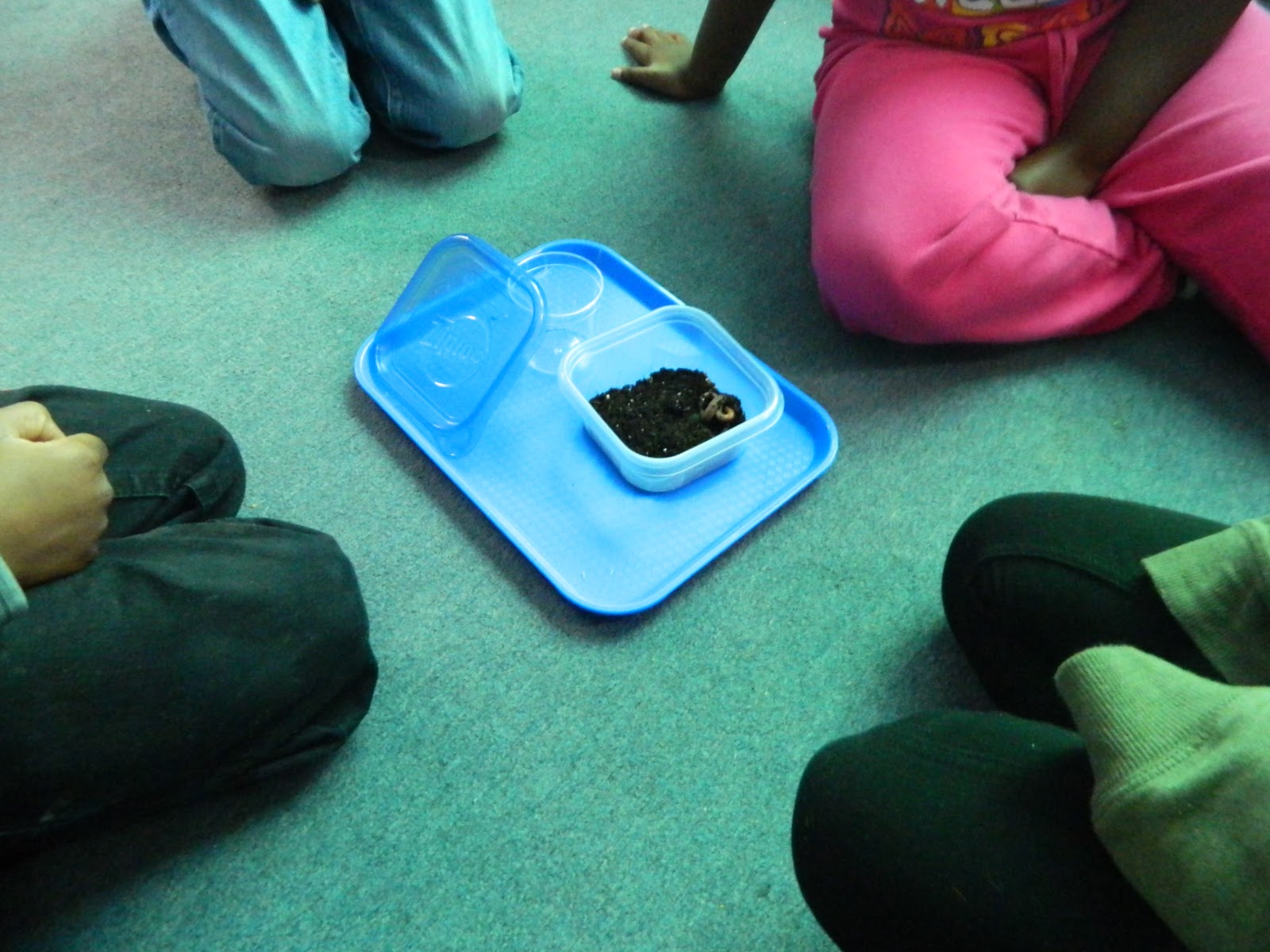
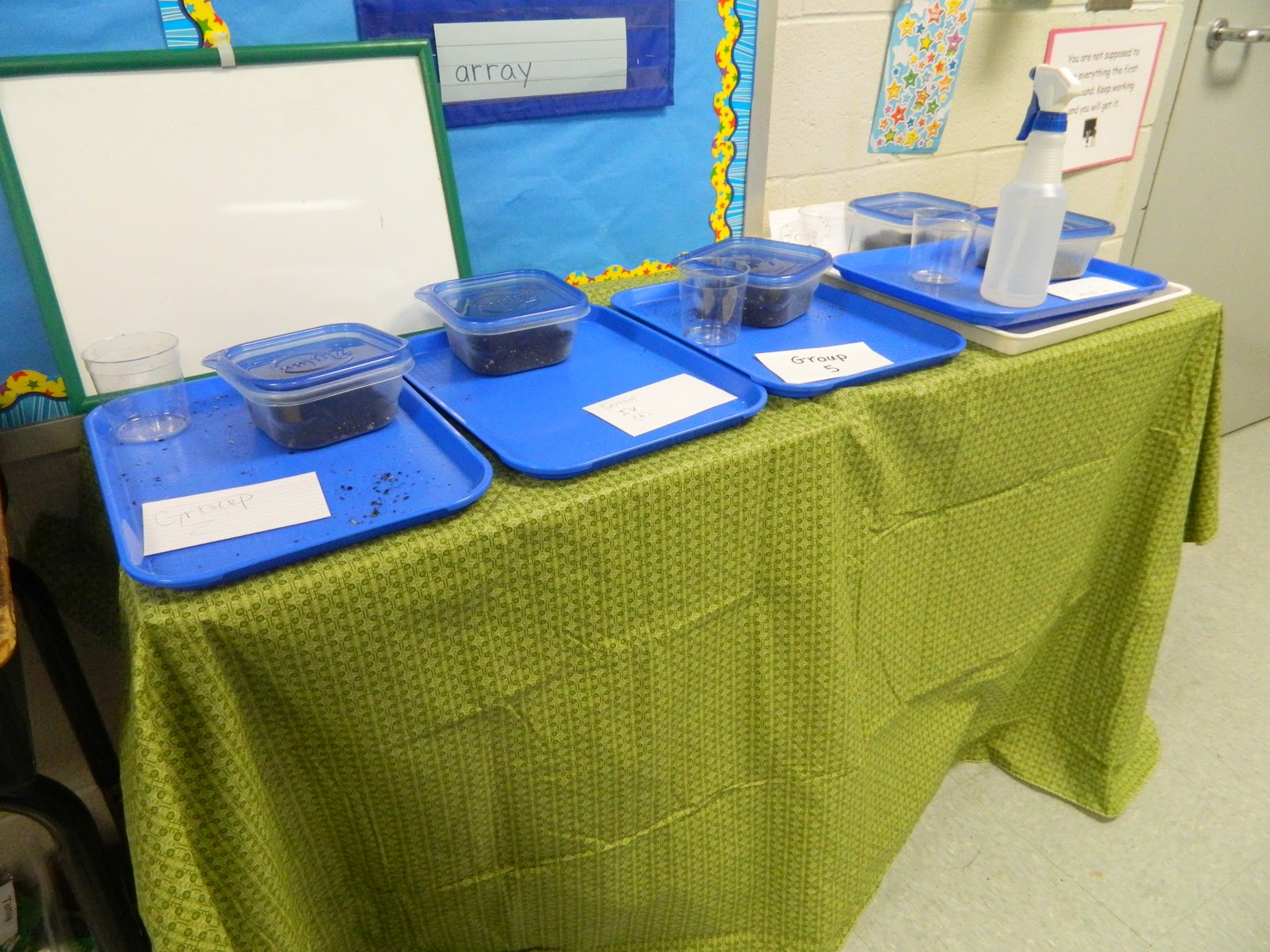
Sometimes, science is all about experiments. Sometimes it is not...case in point: Space! Scientists who want to learn about the planets and moons in our solar system and beyond have to rely on new and exiting methods of exploration.
So how do space scientists make conclusions about objects in space? They use models...
One model is to visualize the size of something. We started by visualizing a sphere we could hold, then a sphere the size of the room, then the sphere the size of the school, then a sphere the size of our town. Visualizing is like making a model in your mind.
Another model used is a globe model. Scientists and students can use the globe model to recreate rotation as well as revolution around the sun. Having the students manipulate the globe allows them to experience rotation as well as revolution - two difficult concepts.
The third model we have been talking about is a model of the planet's surface. Right now, the Mars Curiosity is up there taking photographs. But before it could get there, the scientists had to recreate the surface of Mars and let the rover roam over it. They had to decide whether or not the wheels would be able to handle the rocks, sand, etc.. We watched a really cool video of this on YouTube.

So how do space scientists make conclusions about objects in space? They use models...
One model is to visualize the size of something. We started by visualizing a sphere we could hold, then a sphere the size of the room, then the sphere the size of the school, then a sphere the size of our town. Visualizing is like making a model in your mind.
Another model used is a globe model. Scientists and students can use the globe model to recreate rotation as well as revolution around the sun. Having the students manipulate the globe allows them to experience rotation as well as revolution - two difficult concepts.
The third model we have been talking about is a model of the planet's surface. Right now, the Mars Curiosity is up there taking photographs. But before it could get there, the scientists had to recreate the surface of Mars and let the rover roam over it. They had to decide whether or not the wheels would be able to handle the rocks, sand, etc.. We watched a really cool video of this on YouTube.
And then what about animation?? Possibly the best way to explore new frontiers in space currently is through the use of animation.
Help your students to see that science isn't always done with a lab coat and mad scientist hair..Science can look different in many areas...